This post contains affiliate links.
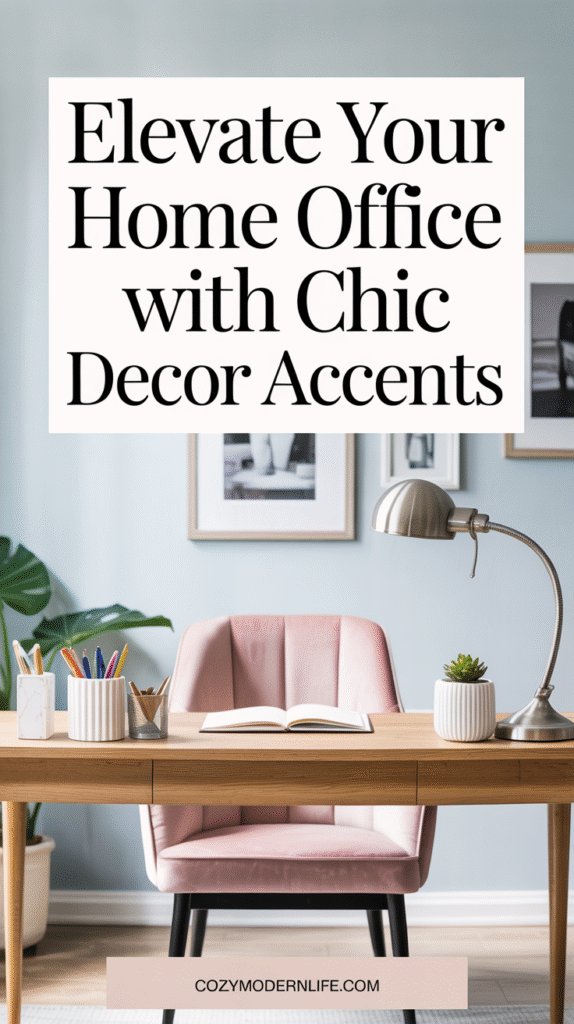
Create a workspace that works for you. Start with a roomy desk, plenty of storage, and focused task lighting to make daily work feel effortless. Designers advise curating a camera-ready background so video calls look polished without extra stress.
Even compact rooms—think 8 by 10 feet—can function well. A 10 by 13 layout gives room for a floating desk and built-in cabinetry. Add small, intentional accents like felt bulletin panels, cork tiles, or a slim digital clock to boost utility and personality.
Balance matters: pair calming hues such as powdery blues with wood touches and easy-care plants to support focus. Keep a simple list of priorities—furniture, lighting, wall organization, then finishing accents—to manage budget and avoid clutter. Choose products with trusted certifications when you can for lasting value and peace of mind.
Key Takeaways
- Begin with a spacious desk, supportive chair, and strong task lighting.
- Curate a Zoom-friendly background to keep video calls tidy and professional.
- Use modular storage and wall panels to maximize small footprints.
- Add biophilic elements and soft hues to improve focus and mood.
- Phase purchases: core furniture first, then lighting and finishing accents.
Start With the Essentials: Desk, Chair, and Storage That Work
A well-planned workspace starts with three essentials: a roomy desk, a supportive chair, and storage that keeps surfaces clear.
Choosing a spacious desk and comfortable chair
Prioritize a desk large enough for your monitor, notepad, and peripherals so you have elbow room while you work. A generous surface improves posture and helps maintain an ergonomic workflow.
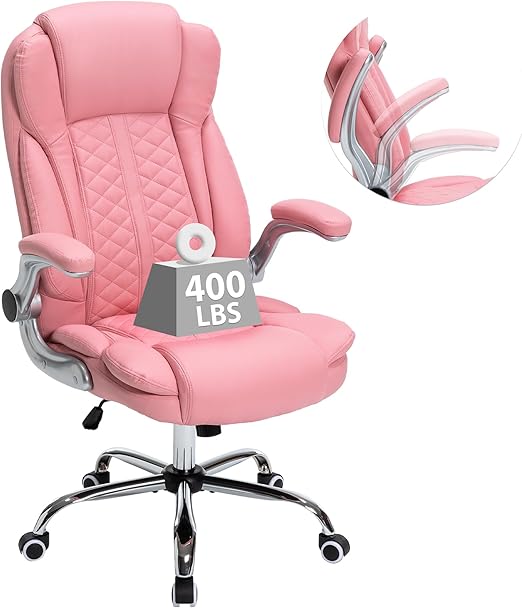
Pick a chair with adjustable lumbar support and tilt options. Comfort matters during long days; a good chair prevents aches and keeps focus steady.


Built-in storage and cabinet doors to hide printers and papers
Plan storage early. A built-in desk run with cabinet doors conceals printers, paper reams, and backup gear so your backdrop stays tidy for video calls.
If space is tight, an 8 x 10 footprint can host built-ins; a 10 x 13 room gives room to float a desk and add cabinetry. Use FSC-certified wood components when possible to signal responsible sourcing.
- Tip: Keep daily tools in shallow drawers and rarely used items low in cabinets to cut desktop clutter.
- Choose durable materials and hardware—full-extension slides and soft-close hinges—to make storage easy to use.
- Run power and data inside cabinets to hide cords but keep access for maintenance.
home office decor
Choosing a consistent aesthetic makes it easy to add items that feel purposeful. Start with a style—modern, warm-minimal, or eclectic—and let that choice guide every small purchase. This keeps the look cohesive and keeps distractions low.
Pick a few signature products such as acrylic frames, a simple business card holder, or a clear phone stand. These elevate the desktop without crowding it. Add playful touches like smiley push pins or a typographic sign to keep the space upbeat.
- Repeat one wood tone or metal finish across rooms to connect living and work spaces.
- Choose multiuse pieces that combine function and form.
- Bring in accents slowly and edit your list regularly to protect focus.
| Item | Why it works | Quick pick |
|---|---|---|
| Acrylic frame | Clean display that reflects light and looks modern | Clear 5×7 frame |
| Business card holder | Small, polished piece that organizes and signals professionalism | Brushed metal holder |
| Phone stand | Hands-free convenience that doubles as a display object | Angled clear stand |
| Personality accents | Little items (pins, signs) that lift mood without adding clutter | Typographic desk sign |
Task Lighting That Boosts Focus and Style
Light matters: the right fixtures reduce glare, lift mood, and sharpen focus in your workspace. Good task lighting pairs with a comfortable chair and helps video calls look clearer without extra fuss.
Desk lights vs. floor lamps: when to use each
Use a focused desk light for reading, typing, and close work. A compact desk light or clamp-on model keeps your surface clear and cuts shadows when writing.
Bring in a tall floor lamp to wash walls and soften contrast. Floor fixtures fill ambient gaps and reduce eye strain when monitors are bright.
Warm, neutral, and daylight color temperatures
Choose color tone intentionally: daylight gives clarity for video calls, neutral works all day, and warm glows help you wind down. Pick lamps with dimmers so you can shift tone by task.
Editor’s picks: adjustable desk lamps and tall floor lamps
- Look for features like integrated LEDs, adjustable arms, and replaceable bulbs.
- Place the lamp opposite your writing hand to cut shadows and boost comfort.
- Pair a compact desk light with an efficient floor lamp to control glare and create balance.

Create a Zoom-Worthy Wall That Doubles as Art
A well-composed wall can turn routine video calls into a polished impression. Start by planning a focal point, then add supporting elements that read clearly on camera.
Mix framed photo prints with practical panels for a backdrop that feels personal and tidy. Use a clean grid of felt or cork tiles to pin notes and inspiration without cluttering the shot.
Gallery layouts and architectural highlights
Anchor the arrangement with one large piece—an oversized canvas or a 3D wood world map works well.
Keep surrounding frames consistent in finish so the content stands out, not the hardware.
Practical products that photograph well
Popular items include large cork boards, acrylic frames, and felt tiles. Rotate pinned items seasonally to keep the composition fresh.
- Balance the composition with breathing room; avoid filling every inch so the screen doesn’t feel busy.
- Choose symmetrical grids for a formal office vibe or a relaxed salon layout for creative meetings.
- Add a narrow picture ledge for easy swaps and a short list of versatile pieces you can rotate by client or call type.
| Element | Why it works | Quick pick |
|---|---|---|
| Felt tiles | Soft texture reduces glare and holds pins neatly | Modular 12″x12″ tile |
| Acrylic frames | Clean, reflective finish that reads crisp on camera | Clear 8×10 float frame |
| 3D wood map | Strong focal product that adds depth and personality | Oak finish world map |
| Large cork board | Easy to update and great for visual lists or mood boards | 36″x24″ cork panel |
Accessorize the Desk: Functional Pieces With Personality
A curated selection of accessories can make daily tasks smoother and add personality to the desk. Start small and build a practical vignette that looks intentional and stays tidy.
Phone stands, business card holders, and cable clips
Begin with a compact acrylic phone stand and a set of cable clips so charging cords and calls stay within reach. Add a metal business card holder to keep contacts handy and presentable.
Pen cups, staplers, and desk pads in acrylic, gold, or leather
Choose a leather or leather-look desk pad to anchor the surface and provide a smooth writing area. Pair that pad with a clear tape dispenser, a simple pen cup, and a low-profile stapler for fast, clean tasks.
Small fans, clocks, and tabletop diffusers for comfort
Consider a compact USB fan for quiet airflow and a slim digital clock with dimmable brightness. A reed diffuser or candle warmer lamp adds scent without smoke, ideal for shared spaces.
- Start now: a phone stand + cable clip set keeps cords neat.
- Add a business card holder, pen cup, and clear tape dispenser to streamline quick tasks.
- Keep a tight list of daily-use office supplies in your top drawer checklist to avoid clutter.
| Product | Why it works | Quick pick |
|---|---|---|
| Acrylic phone stand | Hands-free viewing and neat charging | Clear angled stand |
| Leather desk pad | Protects surface and defines workspace | Brown leather-look pad |
| Compact USB fan | Quiet airflow without bulk | Clip-on USB fan |
Pro tip: pick one metal accent—gold, black, or chrome—and echo it across scissors, clips, and binder hardware. Rotate a seasonal vase or small sculpture to keep the layout fresh and personal.
Natural Touches: Plants, Botanicals, and Biophilic Accents
Small botanical accents bring life and a quieter rhythm to daily work. Biophilic elements and verdant hues support cognition and calm, helping the whole environment feel more restorative.
Low-maintenance options include faux hanging plants, mini potted greens, and tabletop terrariums with wooden stands. These products work when light is limited or schedules are tight.
Low-maintenance faux greenery and terrariums
Choose hydroponic terrariums or realistic faux stems for a steady green presence. Pair planters and materials that match your palette—matte white, stone, or warm metallics—to keep the vignette cohesive.
LEGO botanicals and small potted plants for shelves
LEGO Botanicals Tiny Plants add a playful, sculptural touch that never wilts. Mix living succulents, ferns, and eucalyptus by texture to keep interest without crowding your field of view.
- Place a small plant on a shelf or window ledge to soften lines in a study zone.
- Pair greenery with wood accents—frame edges or pencil cups—for a grounded feel.
- Keep a short care list on your calendar to avoid neglected leaves and hidden watering tools.
| Product | Why it works | Quick pick |
|---|---|---|
| Faux hanging vine | Low light, no upkeep | Polymer trailing vine |
| Glass terrarium | Compact, curated moisture | Wood-stand tabletop terrarium |
| LEGO Botanicals | Playful, permanent accent | Tiny flower set |
Color Theory for a Calming, Productive Workspace
Choosing the right paint tone sets the stage for both productivity and calm. Designers often recommend powdery blues like Blue Bayou (Benjamin Moore) because they read bright by day and soft by night. Apply simple neuroaesthetic principles—color psychology, biophilia, lighting, and personalization—to boost focus.
Powdery blues, neutrals, and verdant tones
Use powdery blue as a neutral baseline. Layer verdant accents—plants, textiles, or an accent pillow—to add energy without visual noise.
Keep saturation balanced. A single richer wall can stimulate focus while three neutral walls prevent overwhelm.
Coordinating wall color with wood and leather textures
Match wall and wood tones so trim, shelving, and desks feel cohesive. Warm woods pair well with brass or off-white tech, while cooler palettes suit matte black finishes.
Introduce a leather desk mat or chair detail for tactile comfort. Build a small sample board of paint, wood, and textile swatches and test them in morning and evening light before you commit.
- Test paint swatches at different times to see how color shifts with light.
- Echo chosen tones in linen curtains or a wool throw for layered texture.
- Align finishes with your gear—brass warms, black cools—to create a unified style.
Small Space Solutions: Corners, Nooks, and Built-In Desks
Turn an unused alcove into a focused spot with a few smart choices. A compact layout can feel intentional when you size the desktop to the opening and add storage that climbs the wall.
Alcoves, landings, and underused areas
Convert an alcove or stair landing into a productive corner by fitting a custom top and vertical shelves. An 8 x 10 footprint often supports a built-in desk run plus closed storage to hide gear and reduce visual clutter.
Floating a desk vs. wall placement in limited rooms
Float a desk when the room is about 10 x 13 feet to create a focal point and leave space for storage behind. In very small rooms, push the desk to a wall to preserve walking paths and simplify cable routing.
- Pick a built-in desk when floor inches are tight to reclaim circulation.
- Use a drop-down or folding desktop that tucks away in shared spaces.
- Add a shallow shelf above the monitor for a light bar and small bins.
- Create a micro charging station with a power strip and cable clips.
| Placement | Best fit | Key benefit |
|---|---|---|
| Built-in desk run | 8 x 10 rooms | Maximizes floor clearance and hidden storage |
| Floating desk | 10 x 13+ rooms | Creates a focal point and storage behind the desk |
| Wall-mounted drop desk | Shared or multiuse spaces | Tucks away to open the room when not in use |
Keep a strict list of necessities in tight spaces; every item should earn its footprint. Also consider light angles and camera backgrounds so even a small spot feels camera-ready and calm.
Wall Organization That Looks Like Decor
A well-organized wall can act as both a command center and a decorative focal point. Make the surface work for projects, calls, and inspiration while keeping the room calm and polished.
Large felt boards, cork tiles, and smiley push pins
Choose modular tiles—felt or self-healing cork—to build a flexible grid you can reconfigure. Dense felt hides pinholes and keeps the surface neat after repeated use.
Playful push pins add personality and make task markers easy to spot. Many textile tiles now carry OEKO‑TEX certifications and come in multi-packs for seamless layouts.
Memo boards and sticky note dispensers that keep lists tidy
Mount a slim memo board near your camera so you can glance at priorities without breaking eye contact. Pair a novelty sticky note dispenser (the Cat design is popular) with a small tray to stop loose pages from drifting.
- Build a modular grid for goals, timelines, and inspiration.
- Use acrylic magnetic frames for quick swaps of calendars or reference sheets.
- Set a weekly refresh routine: archive old notes and pull forward the top list for the coming days.
| Product | Why it works | Quick pick |
|---|---|---|
| Felt tile (OEKO‑TEX) | Durable, hides pinholes, modular | 12″x12″ multi-pack |
| Self-healing cork | Long-lasting, great for heavy pin use | 36″x24″ roll panel |
| Acrylic magnetic frame | Clean swap of schedules and sheets | Clear 8×10 magnetic frame |
Texture and Materials: Wood, Leather, Linen, and Burl
Layer tactile surfaces like linen shades and leather pads to give a workspace quiet depth. Designers favor limewash plaster, burl wood, and natural textiles to create an elevated, lived-in feel without fuss.
Keep the palette focused. Use a short list of two or three repeated materials so the room reads cohesive from every angle. Matte surfaces usually photograph better than high gloss under bright lights.
- Combine smooth and textured finishes—leather desk pads, linen shades, and a burl tray—to add visual depth without clutter.
- Choose wood with a subtle grain that complements cabinetry or floors and look for FSC-certified options for responsible sourcing.
- Test materials on camera and pick durable features like stain resistance for daily use and coffee spills.
- Consider tone-on-tone pairings for a soothing, sophisticated effect that supports focus.
Small touches matter: a compact burl box or tray corrals keys and earbuds while delivering a luxe accent. Thoughtful material choices lift the room’s design and make the workspace feel intentional and refined.
Light, View, and Desk Placement
A thoughtful desk placement can reduce distractions and improve how you feel while you work. Natural light and a pleasant view lift mood and make video calls look flattering. Yet focus varies by person, so plan placement around both daylight and task needs.
Facing a window vs. facing a wall
Face the window when possible to enjoy daylight and a more flattering camera presence. Add a simple shade to tame hotspots and keep glare consistent through the day.
If you get distracted easily, place the desk toward a wall to limit movement in your sightline. This orientation helps maintain focus and creates a tidy background for meetings.
Managing glare on a laptop or multiple monitors
Angle monitors to cut reflections and try matte screen protectors for persistent glare on a laptop. Use a layered lighting plan—ambient, task, and accent—and include a dedicated desk light to evenly illuminate the surface.
- Float the workstation in larger rooms to create a focal point and clear walkways.
- Keep a short list of lighting layers and tune them by time of day.
- Plan cable routes—floor grommets or cord covers keep the setup safe and tidy.
Signature Decor Accents That Make It Yours
Select one or two standout pieces to anchor a shelf or desk vignette. A clear focal object makes the arrangement feel edited and camera-ready.
Abstract sculptures and gold finishes
Choose an abstract thinker sculpture or a small gold bird as your main piece. These items reflect light and add a refined touch without clutter.
Introduce a gold frame or tray to echo the metal and tie finishes together.
Retro radios, candle warmers, and personal photos
Add a retro Bluetooth radio—models like the Victrola Willow pair vintage looks with streaming. It brings sound and personality.
Swap open flames for a candle warmer lamp to enjoy scent safely. Ground the vignette with a favorite travel photo or a slim stack of art books.
- Edit your list of accents so each item serves a purpose: balance, color echo, or mood lift.
- Group pieces in odd numbers and vary heights for a dynamic composition.
- Pick smooth or sealed finishes for easy dusting and low upkeep.
| Accent | Why it works | Quick pick |
|---|---|---|
| Abstract sculpture | Conversation starter and focal point | Small plaster thinker |
| Gold tray | Reflects light, unifies metals | Brass-finish catchall |
| Retro Bluetooth radio | Warmth, ambient music, vintage-modern blend | Victrola Willow |
Organize Supplies So the Room Stays Clutter-Free
Start by listing what you touch every day and give each item a dedicated spot. Inventory your items by frequency: daily, weekly, and rarely used. This makes decisions simple and keeps surfaces clear.
Tiered file holders, drawers, and trays
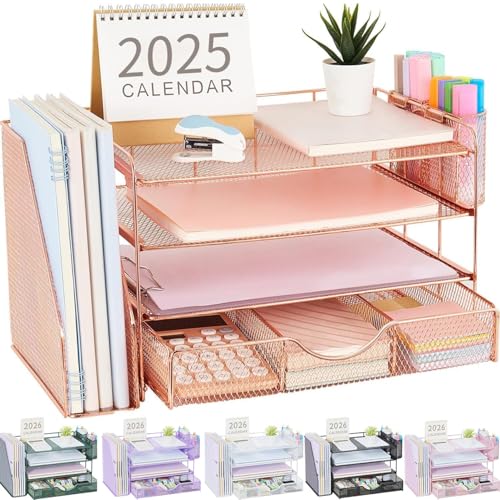
Choose modular organizers that match your workflow. A 4-tier file holder with a shallow drawer separates active projects from reference files. Add pen cups and small trays for mail and cables to prevent piles.
Tip: store backups higher or lower than daily items so prime space is reserved for what you use most.
Quarterly decluttering routines and label systems
Calendar a quarterly purge to tame inevitable accumulation. Use clear bins and simple label systems so resets take minutes, not hours.
- Map your daily flow and assign a specific home for pens, cables, and notepads.
- Use a tiered file holder with a drawer to separate active work from archived papers.
- Add labeled trays for mail and small parts to remove guesswork during busy stretches.
- Keep a concise list of refills—ink, sticky notes, shipping labels—to avoid duplicate purchases.
- Archive digitally when possible to cut paper volume and free physical space.
| Organizer | Best use | Quick pick |
|---|---|---|
| 4-tier file holder | Sorts active projects and references, reduces desktop piles | Stackable metal sorter with drawer |
| Clear drawer bins | Keeps small supplies visible and prevents drift | Set of 3 clear plastic inserts |
| Mail & parts tray | Corral incoming items and small hardware | Sloped front aluminum tray |
| Label system | Makes categories obvious for quick resets | Printable adhesive label kit |
Keep a short list of refills and schedule the next declutter on your calendar. These small habits protect your space and make work feel easier every day.
Flooring, Rugs, and Acoustic Comfort
Layering textiles on a solid floor quickly improves acoustics and defines clear circulation paths.
Rugs do more than look good. They soften echoes in a hard-surface room and add cushioned support during long calls. Choose a low-pile option so rolling chairs glide easily.
Use an underlayment or rug pad to boost sound control and reduce fatigue. Look for pads with grip to stop slipping and add a thermal cushion underfoot.
- Pick stain-resistant, tight-weave rugs for high-traffic zones and chair use.
- Run a runner behind a floating desk to protect the floor where you walk most.
- Size rugs so chair wheels stay on the soft surface as you move.
- Add felt pads under furniture feet to cut squeaks and protect finishes.
- Keep a small spot-clean kit nearby for quick fixes between deeper cleanings.
Design tip: match rug tones to walls and furniture to keep the visual list short and the environment calm.
| Feature | Why it helps | Quick pick |
|---|---|---|
| Low-pile rug | Allows chair movement and softens echo | 6’x8′ wool-blend low-pile |
| Rug pad | Improves acoustics and adds cushion | Non-slip felt & rubber pad |
| Runner | Defines circulation and guards the floor | 2’x8′ tight-weave runner |
| Felt furniture pads | Reduce noise and protect finish | Reusable adhesive pads |
Multiroom Harmony: Aligning Office Style With Living Spaces
When one room opens into another, a simple visual thread keeps the whole layout feeling intentional. This matters most when the workspace is visible from shared areas like the living room or kitchen.
Echo one material or color from the living room into the office to create continuity. A repeated wood tone, fabric, or rug hue makes sightlines feel cohesive without matching everything exactly.
- Use closed storage and a daily reset to keep clutter out of view when the space opens to the kitchen.
- Coordinate metal finishes—black, brass, or chrome—so transitions between rooms feel considered.
- Pick art and lamps that suit the broader house palette to avoid abrupt style shifts.
Build a short list of shared elements—frame finish, rug tone, or a single accent color—to tie spaces together subtly. If the office doubles as a pass-through, conceal cords and prioritize a tidy entry view.
| Strategy | Why it works | Quick action |
|---|---|---|
| Repeat one material | Creates visual continuity across sightlines | Match shelf wood or rug tone |
| Closed storage | Keeps daily clutter hidden from the kitchen | Install cabinet doors or drawers |
| Coordinated lighting | Warm lamps read well from the living room in evening | Choose warm LED bulbs and dimmers |
| Short shared list | Keeps decisions simple and consistent | Make a 3-item list of repeat elements |
Real-World Layouts: Bedroom, Dining, and Laundry Room Conversions
Repurposing an extra bedroom or underused dining nook can give you a private, practical workspace without a full remodel. Small changes—like installing a wall-to-wall desk or adding sound-absorbing textiles—make these spots feel intentional.
Guest bedroom conversions work well with a sleeper sofa and a fold-down work surface. This keeps the room flexible for visitors while providing a tidy place to work.
Converting attics, garages, and guest rooms
Unfinished attics and garages are ideal when you need separation from daily traffic. Insulate, add power, and plan HVAC to ensure comfort year-round.
Target 8 x 10 feet for built-ins and about 10 x 13 feet to float a desk with storage. Prioritize natural light and a clean background wall for video calls.
Laundry-room offices and privacy considerations
A laundry-room setup can be viable if you control noise. Close the door, schedule cycles around calls, and add rugs or curtains to dampen sound.
Place the workstation away from high-traffic family zones to protect focus and create a clear sense of arrival when you start work.
- Dual-use bedroom: sleeper sofa + fold-down desk for hosting and work.
- Dining area: wall-to-wall desk with doors to tuck gear before meals.
- Attic/garage: insulate, wire, and add HVAC for year-round comfort.
- Must-have list: light, outlets, storage—share this with contractors to avoid scope creep.
| Conversion type | Best fit | Key action |
|---|---|---|
| Guest bedroom | Flexible hosting + work | Install sleeper sofa and fold-down desk |
| Dining area | Shared family space | Use enclosed desk run to hide gear at mealtimes |
| Attic / garage | Separated, quiet place | Insulate, add power, plan HVAC |
| Laundry room | Compact, utilitarian spot | Door, schedule cycles, add sound damping |
Conclusion
Wrap up by building habits that keep function first and style easy to maintain. Add a strong, clear plan: a supportive chair, a right-sized desk, layered task lighting, and closed storage so the room reads tidy and reliable.
Keep your wall edited with a modular felt or cork system and a few framed photos for a camera-ready backdrop. Use just a short list of accessories—phone stand, cable clips, slim clock—to stay organized and personal.
Mind the floor with a low-pile rug for sound and comfort. In any space—bedroom nook, dining niche, or a corner by the kitchen—place the desk to tame glare on your laptop and protect daily flow. Finish with a quarterly declutter and a weekly list refresh to keep the study calm and ready for work.